Make your multimodal data
useful to AI agents.
Connect video, images, audio, documents and business data. Analyze what each task needs, cite the sources and reuse what you learn.
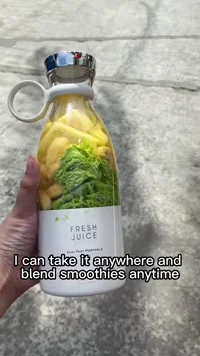
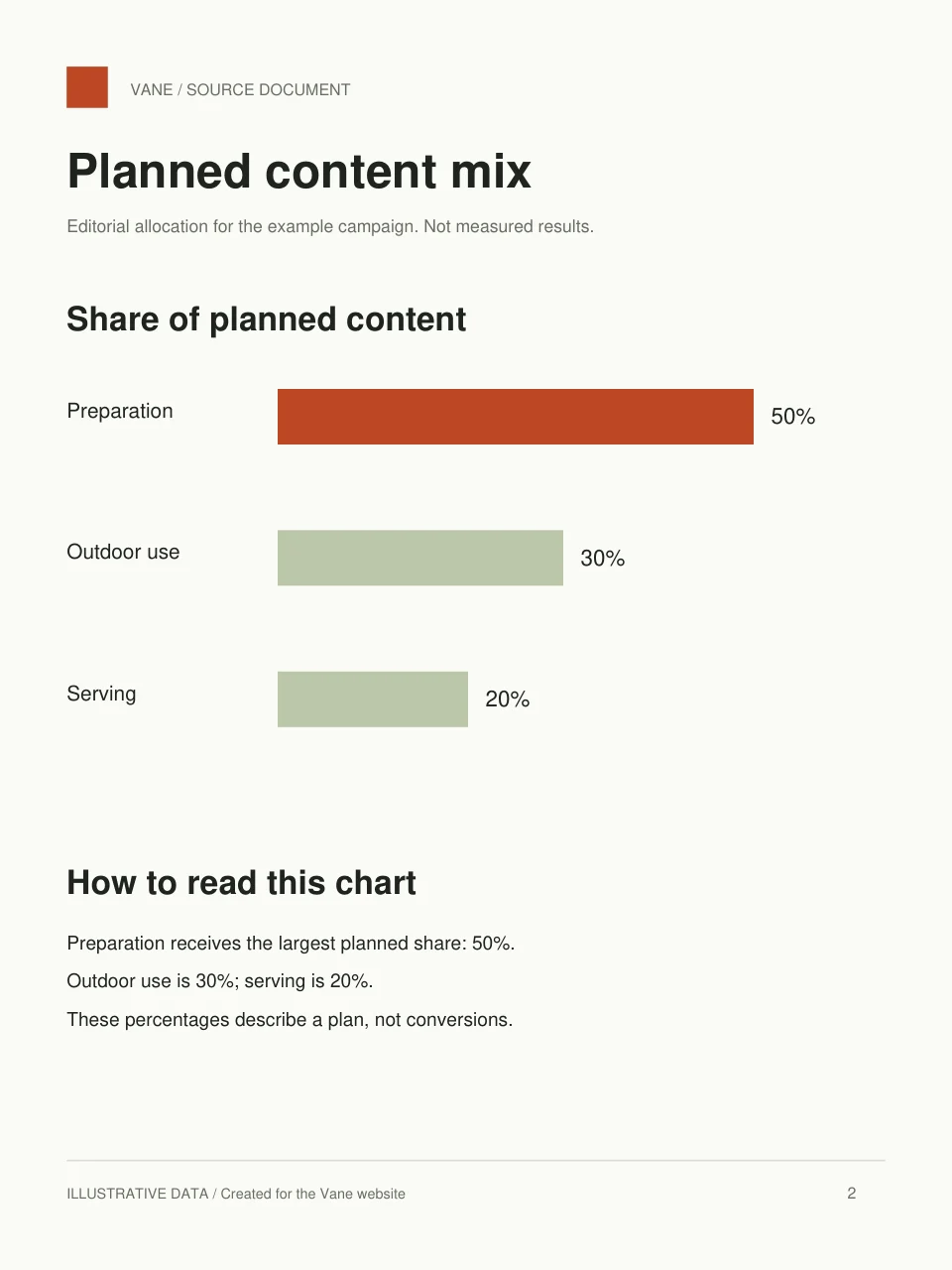
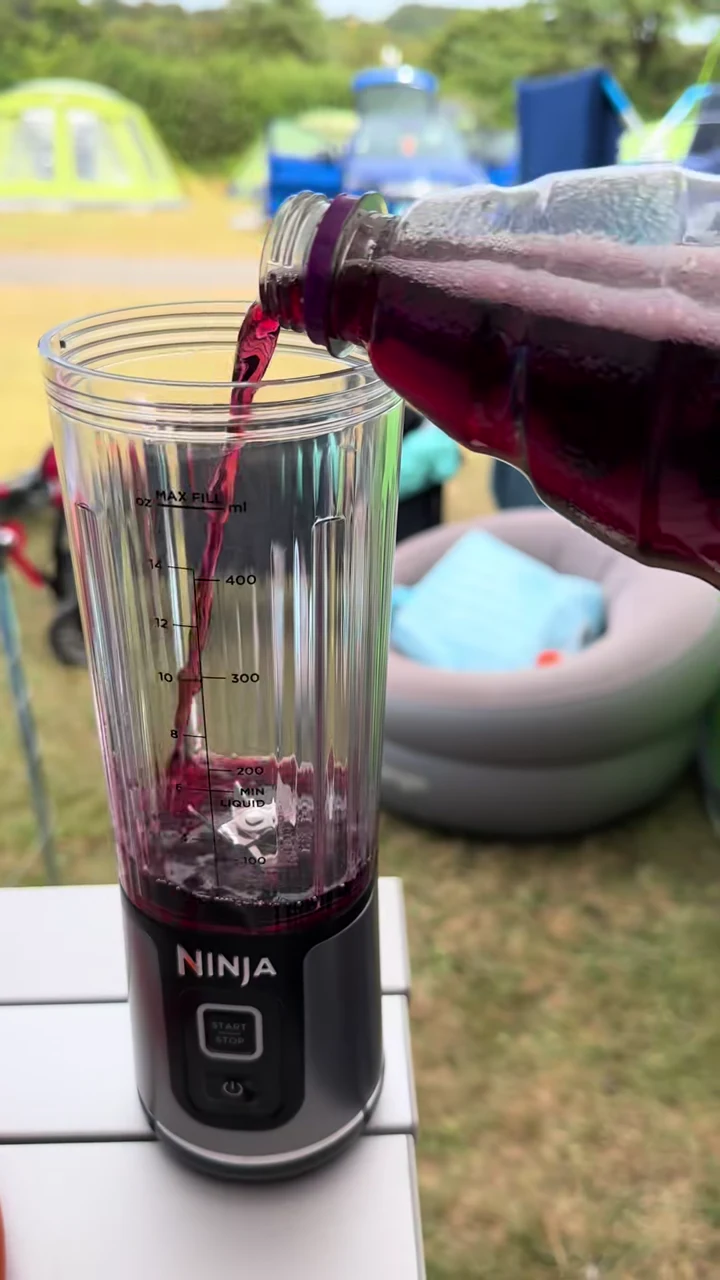
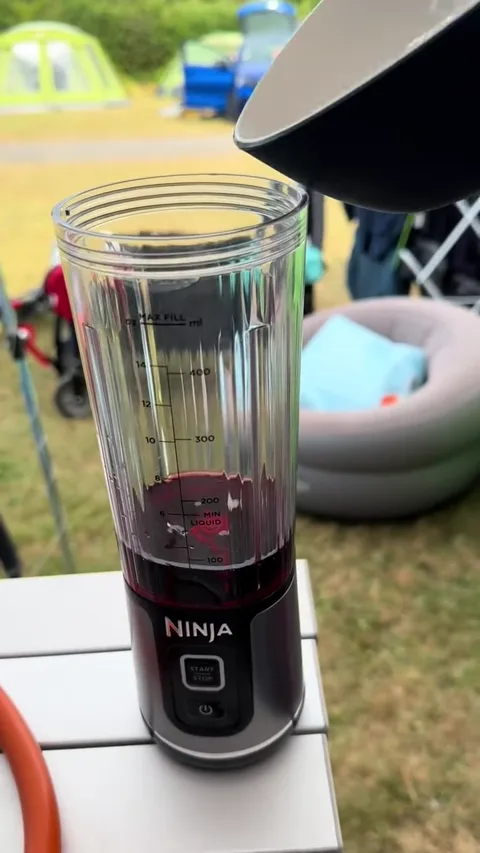


Understand the content. See the evidence.
Analyze content, answer questions and extract structured data, with citations to the original frames, audio segments and document pages.
Original sourcecomp_001
00:0000:21
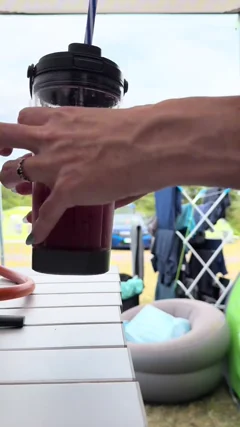
Outdoor campsite
A drink comes together at the campsite: pour the ingredients, then start blending.
Select a result to view its source.
Interactive examples use prepared results to demonstrate analysis across different media types.
From enterprise data to better agent outcomes.
Combine task-specific processing, a semantic layer and agent skills so your agents can use enterprise knowledge effectively.
For example, ground a marketing agent’s script in brand guidelines, existing footage and campaign metrics.
Marketing agent output
Creative direction grounded in your own material.
Open on a campsite. Show the ingredients going in, the blending action and the drink being served. Keep claims within the approved product facts.
Task-specific processing
Recognize setting, opening, demonstration and useful action windows.
Semantic layer
Link creative IDs to campaign records and agreed measurement definitions.
Agent Skill
Guide the agent to retrieve material, verify sources and follow brand guidelines.
Example creative output. Campaign metrics come from connected business records.
Explore agent solutionsAnalyze what matters. Reuse what you learn.
Retrieve relevant content before running deeper analysis. Reuse valid results across tasks to reduce repeated model calls and agent context costs.
Illustrated workflow
What the agent needs
Find an operating shot for an outdoor drink video.
- Find the relevant moment
Start with the available index and source information.
- Understand what is needed
Inspect the selected footage for the action and setting.
- Save reusable knowledge
Validated observations can be published with their source references.
Knowledge to reuse
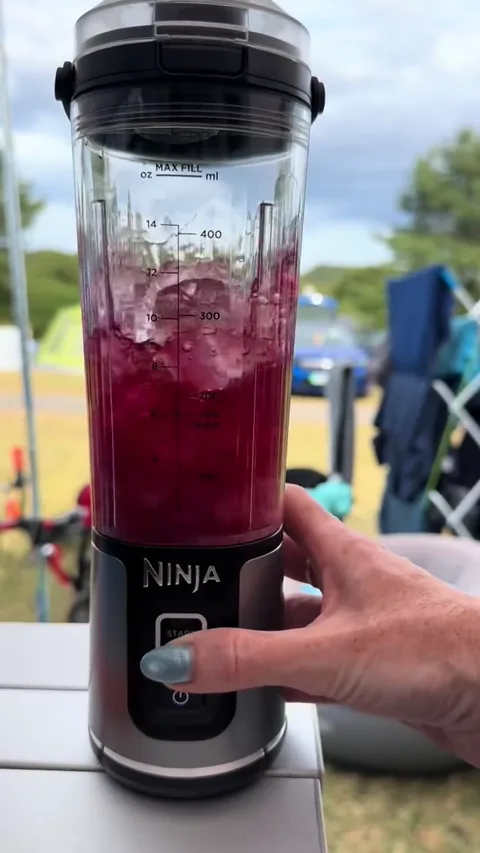
Blending on the outdoor table
The next action shows the blender in use on the outdoor table.
00:05–00:07What the agent receives
A relevant observation and a reference to the original clip. Read more only when the task needs it.
Reuse is checked against the task, source version and access permissions. Private task information stays within its authorized scope.
High-performance processing for multimodal data.
Vane Data coordinates I/O, CPU and GPU execution. Explore measured performance across document, image, audio and video pipelines.
Vane DataRay DataDaftElapsed time in seconds. Lower is better.
Images35.1% less time than Ray Data
Audio2.2% less time than Ray Data
Video9.8% more time than Ray Data
36 CPU / 64 GB RAM / 2080 Ti, 22 GB modified VRAM. Single-node, batch-size-tuned results.
See what your agents can do with your data.
Request a Vane Context demo, or start building with the Vane Data engine.
Vane Context
See how multimodal analysis, source citations and knowledge reuse improve your agent’s output.
Vane Data
Process files, model inference and business data in one SQL and Python pipeline.
import vane


con = vane.connect()
images = con.sql("""
    SELECT image_file(
        'quickstart-images/large.png'
    ) AS source
""")


images.select("""
    source,
    image_file_metadata(source).width AS width,
    resize(decode_image_file(source, 'RGB'),
           224, 224) AS thumbnail
""").show()